
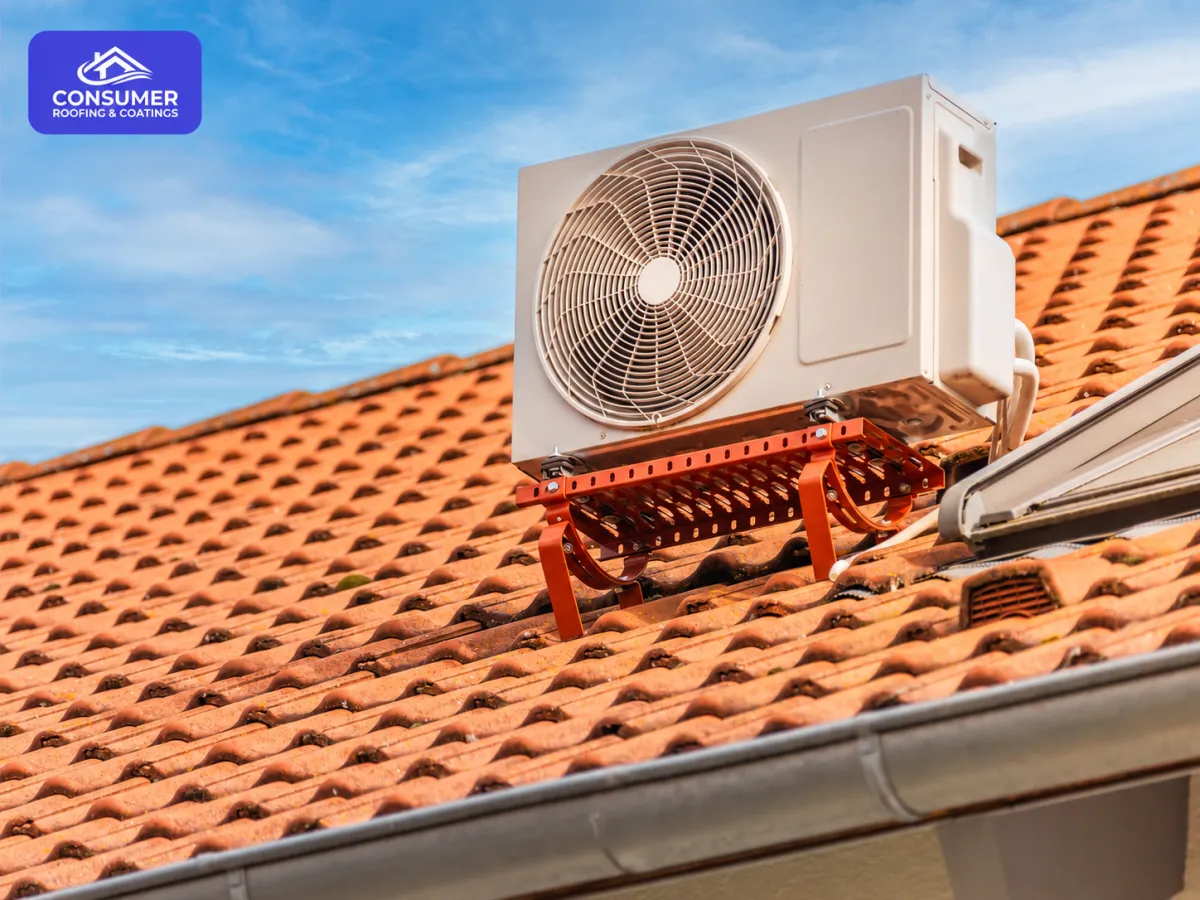
How Your Roof Impacts Your AC Bills During Ontario's August Heat
August is typically the hottest month of the year across Southwestern Ontario.
As temperatures climb through London, Woodstock, St. Thomas, Tillsonburg, and surrounding communities, many homeowners begin noticing the same frustrating trend: higher hydro bills, rooms that never seem to cool down, and an air conditioner that feels like it's running nonstop.
Most people assume the problem starts with the HVAC system.
In reality, one of the biggest contributors to summer energy costs may be sitting directly above your head: Your roof.
A roofing system does far more than keep rain and snow out of your home. It also plays a critical role in controlling how much heat enters the building, how effectively that heat escapes, and how hard your cooling system has to work during the hottest weeks of the year.
For homeowners across Southwestern Ontario, understanding the relationship between roofing, ventilation, and energy efficiency can make a meaningful difference in both comfort and utility costs.
Why Your Roof Has Such a Big Impact on Energy Efficiency
Every day during the summer, your roof absorbs hours of direct solar radiation.
While outdoor temperatures might reach 30°C, roof surfaces can become dramatically hotter. Dark roofing materials commonly exceed 70°C during peak afternoon heat. That heat doesn't simply disappear when the sun goes down. Instead, it transfers into the attic space and gradually radiates into the home below.
Think of your attic as a giant heat reservoir.
The more heat that becomes trapped there, the harder your air conditioning system must work to maintain comfortable indoor temperatures. This is particularly noticeable in second-storey bedrooms and upper floors where heat naturally rises and accumulates.
According to Natural Resources Canada, heating and cooling account for roughly 60% of residential energy use in Canadian homes. While homeowners often focus on windows, insulation, and HVAC equipment, the roofing system is one of the first places where energy efficiency gains can occur.
A well-designed roof helps manage heat before it becomes an expensive problem.
The Hidden Energy Problem Most Homeowners Never See
When homeowners think about roofing, they usually think about leaks.
What many don't realize is that ventilation can be just as important as waterproofing.
A properly ventilated roofing system allows hot air to continuously escape from the attic. Without adequate airflow, temperatures inside the attic can rise significantly above outdoor conditions, creating a superheated space that places constant stress on the home.
We've inspected roofs throughout London and surrounding counties where homeowners were convinced their air conditioner was failing. In many cases, the larger issue was excessive attic heat caused by poor ventilation.
The symptoms are often easy to recognize:
Upstairs rooms remain hot long after sunset.
Temperatures vary significantly between floors.
Air conditioning systems run continuously throughout the afternoon, yet comfort never seems to improve.
Homeowners often assume they need a larger HVAC system when the real problem is occurring in the attic.
When ventilation is inadequate, the roof essentially traps heat where homeowners least want it. Proper airflow helps remove that heat before it migrates into living spaces, improving comfort while reducing strain on cooling equipment.
Ontario's Climate Creates a Unique Challenge for Roofing Systems
Few regions place as much year-round stress on roofing systems as Ontario.
A roof in Southwestern Ontario experiences freezing temperatures, snow accumulation, ice formation, heavy spring rains, high humidity, intense summer sunlight, and repeated seasonal temperature swings.
Those conditions don't just affect durability; they also affect efficiency.
Research from the National Research Council of Canada has shown that repeated thermal cycling contributes to the aging of building materials over time. The hotter roofing materials become, the greater the expansion and contraction they experience. Over many years, that stress can accelerate wear on shingles, flashing, sealants, and other roofing components.
This means summer heat isn't simply a comfort issue. It's a performance issue.
A roofing system that effectively manages heat can help reduce energy consumption while also supporting long-term roof durability.
Roofing Materials Matter More Than Most Homeowners Realize
The material covering your roof directly influences how much heat is absorbed, reflected, and transferred into the home.
For homeowners considering future roof replacement, material selection can have a noticeable impact on energy efficiency.
Metal Roofing
Metal roofing has become increasingly popular across Ontario for several reasons, including its ability to reflect solar energy more effectively than many traditional roofing materials.
Because metal surfaces absorb less heat, attic temperatures can often remain lower during peak summer conditions. Beyond energy efficiency, metal roofing offers exceptional durability, long service life, and excellent resistance to Ontario's seasonal weather extremes.
While the initial investment is often higher, many homeowners view metal roofing as a long-term performance upgrade that delivers benefits for decades.
Modern Architectural Shingles
Architectural shingles have also evolved considerably over the past decade.
Many manufacturers now offer lighter-coloured products designed to reflect more sunlight than traditional dark shingles. While they do not provide the same level of reflectivity as metal roofing, they can still contribute to improved summer performance while maintaining the appearance many homeowners prefer.
For homeowners replacing an aging roof, selecting an appropriate colour can influence both curb appeal and energy efficiency.
Why Ventilation Often Matters More Than Material Selection
Many homeowners assume changing roofing materials alone will solve heat-related problems.
Often, however, ventilation is the bigger factor.
Even the most energy-efficient roofing product will struggle to perform if heat has nowhere to escape.
A properly designed roofing system relies on balanced airflow. Cooler air enters through intake vents while warmer air exits through exhaust ventilation. This continuous movement helps regulate attic temperatures and reduce moisture accumulation throughout the year.
The Canada Mortgage and Housing Corporation has long identified proper attic ventilation as an essential component of residential building performance. While ventilation is frequently discussed in relation to winter moisture issues, it can be equally important during summer heat waves.
The goal is a cooler, healthier attic environment that supports the performance of the entire home.
Signs Your Roof May Be Contributing to Higher Cooling Costs
Energy-efficiency problems are often much harder to identify than roofing failures.
When a roof leaks, the warning signs are usually obvious. Heat-related roofing issues are different. They develop gradually, often disguising themselves as HVAC problems, insulation deficiencies, or simply "the way the house has always been."
Many homeowners first notice the symptoms rather than the cause. An upstairs bedroom becomes uncomfortable every summer afternoon. The air conditioner runs longer than it used to. Hydro bills keep climbing despite no major changes in household energy use.
The challenge is that excessive attic heat isn't always visible, but the numbers can be surprising.
Consider these facts:
Roof surfaces can exceed 70°C (160°F) on a sunny summer afternoon, even when outdoor temperatures are far lower.
Poorly ventilated attics commonly reach 120°F–150°F (49°C–66°C) during summer heat, effectively creating a heat chamber above the living space.
Attics can run 20°F–60°F hotter than the outdoor temperature, depending on roofing colour, ventilation, and insulation performance.
Building science research consistently shows that excessive attic heat increases cooling loads and forces HVAC systems to work harder to maintain indoor comfort.
Proper attic ventilation can help keep attic temperatures significantly closer to outdoor conditions, reducing heat buildup and thermal stress on roofing materials.
In many cases, homeowners discover that improving roof ventilation, repairing damaged roofing components, or upgrading an aging roofing system addresses comfort issues they previously assumed were caused by their air conditioner.
If your home feels increasingly difficult to cool during Ontario's hottest months, the issue may not be your HVAC system at all. The real problem could be starting at the top of the house.
August Is the Perfect Time to Assess Your Roof
Late summer provides one of the best opportunities to evaluate roofing performance.
By August, your roof has already experienced months of heat, sunlight, humidity, and seasonal weather exposure. Any ventilation deficiencies, aging materials, or efficiency concerns are often easier to identify during this period.
A professional roofing assessment can help identify ventilation issues, damaged shingles, flashing concerns, excessive attic heat buildup, and opportunities to improve overall roofing performance before winter arrives.
Addressing these concerns now can improve comfort immediately while helping prepare your home for the colder months ahead.
Improve Energy Efficiency with the Right Roofing System
Whether your goal is lowering cooling costs, improving indoor comfort, or preparing for a future roof replacement, your roofing system plays a larger role than most homeowners realize.
At Consumer Roofing, we help homeowners identify the factors contributing to excessive attic heat, poor ventilation, and rising energy costs. Our team performs comprehensive roofing assessments that evaluate not only the condition of your shingles, but also the overall performance of the roofing system.
Our services include:
✔ Shingle Roof Replacement
✔ Metal Roofing Installation
✔ Flat Roofing Systems
✔ Commercial Roofing Services
✔ Roof Repair & Leak Detection
✔ Roof Ventilation Improvements
✔ Roof Rejuvenation Services
✔ Roof Coatings & Restoration Systems
With more than 45 years of experience serving Southwestern Ontario, Consumer Roofing helps homeowners make informed decisions based on long-term performance rather than temporary fixes.
If your home feels difficult to cool during the summer or your hydro bills continue climbing year after year, a professional roofing assessment may uncover opportunities to improve comfort, efficiency, and roof performance.
Frequently Asked Questions About Roofing and Energy Efficiency
Can my roof really affect my hydro bill?
Yes. Roofing materials, attic ventilation, insulation performance, and heat transfer all influence how hard your air conditioning system must work during summer months.
Does attic ventilation reduce cooling costs?
Proper attic ventilation can help lower attic temperatures, improve indoor comfort, and reduce strain on HVAC equipment. The overall impact depends on the home's design and existing ventilation conditions.
Is metal roofing more energy efficient than shingles?
Metal roofing generally reflects more solar radiation than traditional asphalt shingles, which can help reduce heat absorption during summer. However, ventilation remains a critical factor regardless of roofing material.
Why is my upstairs always hotter than the rest of my house?
Heat naturally rises, and inadequate attic ventilation can allow excessive heat buildup above upper-level rooms. Roofing performance and airflow issues are common contributors to this problem.
When should I have my roof inspected for energy-efficiency concerns?
Late summer is often an ideal time because ventilation deficiencies and heat-related performance issues are easier to identify during periods of sustained warm weather.
Can roof rejuvenation improve energy efficiency?
Roof rejuvenation primarily restores flexibility and performance to aging asphalt shingles. While it is not a direct energy-efficiency upgrade, maintaining roofing materials in good condition supports overall roof performance and longevity.
